
Walking into a busy casino floor can feel like stepping onto a live wire, especially when the dice are already rolling. Most Australians who visit a table for the first time worry about the rules of the game, but the real friction usually comes from how people behave around the felt. Craps etiquette at the table matters because a crowded layout rewards patience, clear signals, and a respect for the pace other players set. You do not need to be a mathematician to fit in; you just need to know when to speak, when to hand over chips, and how to keep your movements predictable. That mindset is the same one I apply when planning a social campaign: measure the room first, then act.
Positioning, Pace, and the First Throw
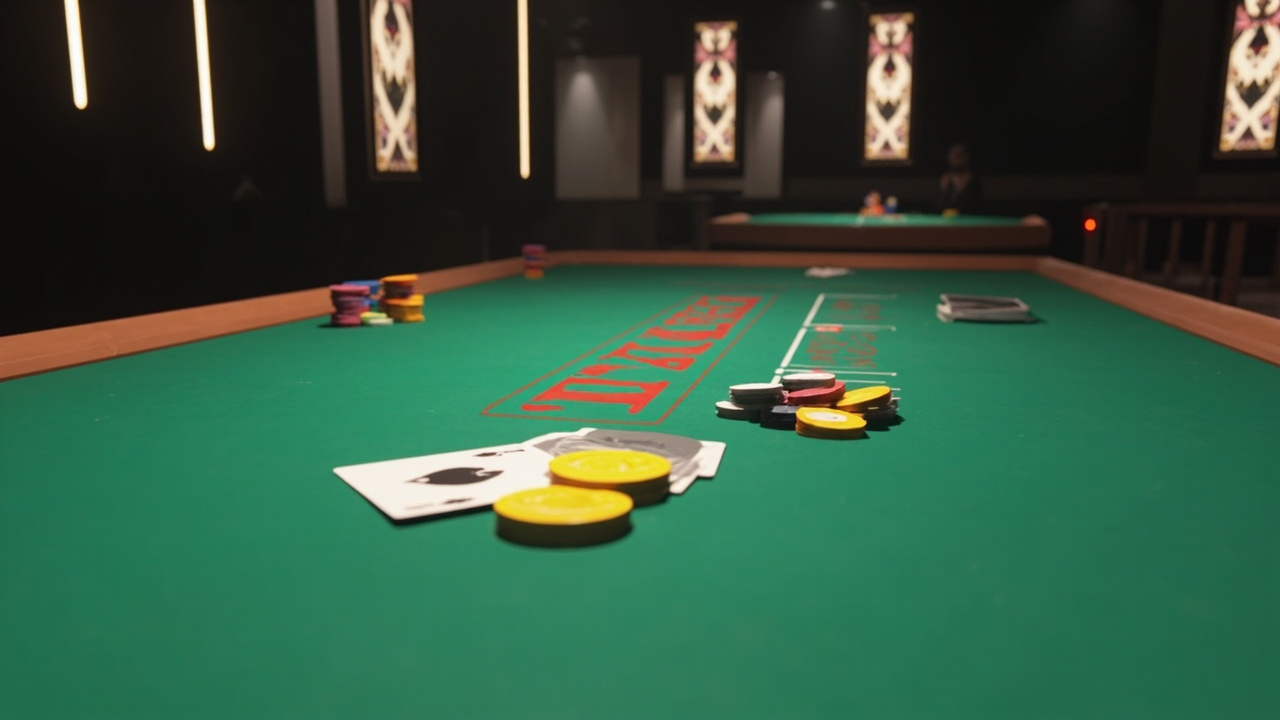
Where you stand or sit shapes how the crew and nearby players read you. The box area behind the shooter is for observers, not for leaning over the rail while the dice are in motion. Keep your hands off the layout until the stickman calls the next round, and never reach across a active bet. If you are new, take a seat at the rail, watch two or three throws, and note how the dealer clears winnings before opening the next round. That small pause prevents the common mistake of tossing chips onto a bet that has already been settled.
A few simple habits keep the table moving without drawing side-eye:
- Wait for the dealers to finish paying winners before placing fresh chips.
- Keep your voice low when the shooter is setting the dice. sweetbonanza2500au.com
- Hand your wager to the dealer rather than sliding it across a crowded section of the felt.
- Step back from the rail when the dice are being returned to the shooter.
I have spent years building audience engagement on platform feeds, and the same rule applies here: people respond better when your actions are consistent and easy to read. A table full of mixed signals slows the game and tests the crew, so predictable behaviour is the fastest way to earn a smooth session.
Signup, Verification, and First Session at the Table
If you are weighing an online craps room for a first session, the registration and verification steps set the tone for everything that follows. A clean signup flow should ask for basic eligibility details, confirm your age, and walk you through identity checks before any bonus can be activated. The process is not meant to be a hurdle; it is the checkpoint that keeps the account tidy for payments and future play. Expect to upload a driver licence or passport, match your registered name to the payment method, and wait for a short review before the first deposit clears.
Once the account is verified, the first deposit usually unlocks a bonus that must be activated manually. Read the wagering terms before you click activate, because the requirement often ties to specific table limits and a set playthrough window. Your first session should be treated as a calibration round: note the minimum table stakes, the pace of the dealer calls, and how the bonus balance behaves when you place a pass line wager. If a room offers a fixed AUD bonus with a clear cap, that is easier to plan around than a vague match that shifts with every deposit.
For a practical read on how a seasonal promotion can change the way you approach that first activation, see a fresh craps bonus angle for seasonal entertainment. The point is not to chase a headline figure; it is to understand how the terms interact with your normal table rhythm.
Chloe Gibson, Sports Betting Analyst, Swan River Interactive, notes that “verification delays are usually a sign of a room tightening its compliance checks, not a reason to rush the first deposit.” That caveat matters because a patient first session avoids the frustration of a bonus that cannot be cleared later.
Bonus Mechanics, Payments, and the Limits That Matter
A bonus only feels useful when the mechanics line up with how you actually play. Look for a room that states the wagering requirement in plain terms, lists the eligible table stakes, and shows how the bonus balance separates from your real money until the playthrough is complete. If the bonus requires a minimum number of passes or don’t pass bets before any withdrawal request, that is a fair condition to weigh against your usual session length. The trade-off is simple: a higher match often carries a longer playthrough, while a smaller offer can be cleared faster on a shorter visit.
Payments and currencies should match the way you plan to fund the account. A room that handles AUD directly removes the guesswork of conversion rates and keeps your deposit and withdrawal figures consistent. Check the listed methods before you register, because some rooms restrict certain cards or e-wallets for bonus-funded play. Withdrawal timing is another practical detail: a room that posts a clear processing window is easier to plan around than one that leaves the timeline vague. Mobile play should mirror the desktop layout without hiding the bet slip or the bonus terms, because a compressed screen can make a fast-paced table harder to read.
Lily White, Managing Partner, Flinders Interactive Group, puts it plainly: “A bonus that looks generous on the front page can become awkward if the payment path and the table limits do not match your normal session.” That is the kind of trade-off worth checking before you commit to a first deposit.

Table Behaviour, Signals, and Keeping the Game Moving
Good table behaviour is mostly about timing and clarity. When you want to place a bet, make the gesture early enough for the dealer to see it, but never throw chips while the dice are in the air. If you are not sure whether a wager is still open, ask the dealer rather than crowding the layout. The crew works to a rhythm, and a clear question is better than a rushed hand movement that forces a reset.
A few signals and habits worth adopting:
- Use a flat chip push for a new wager, not a toss that bounces off the felt.
- Keep your cards and phone tucked away once the round starts.
- Let the dealer call the result before you collect or reset your chips.
- Step aside if you need to check your balance, so the rail stays clear for active players.
I judge engagement by how much friction a session creates, and the same test applies at a craps table. A player who reads the pace, keeps movements clean, and respects the dealer’s call is easy to work around. That is the difference between a table that flows and one that keeps stopping for clarification. A Fresh Craps Bonus Angle for
Jack Smith, Lead Gaming Analyst, Red Centre Analytics, reminds players that “the table runs on predictable behaviour, so the best way to fit in is to make your bets readable and your timing consistent.” That is a useful standard, especially for anyone visiting a busy floor for the first time.
Returning to the First Throw
That first moment on the rail, watching the dice settle before you place a single chip, is the same moment that tells you whether a table is worth your time. If the pace feels steady, the dealers are clear, and the players around you keep their movements tidy, you have found a room that rewards patience. If the layout feels crowded and the calls are rushed, it is worth stepping back and watching a little longer. Craps etiquette at the table is not about following a rigid script; it is about reading the room, matching its rhythm, and keeping your own actions easy to follow. The next time you stand at the rail, ask yourself whether you are making the game easier for the people around you, because that question tells you more than any bonus figure ever will.